What Makes a Baseball Hat Actually Made in the USA?

If you have ever tried to buy a genuinely well-made, American-made baseball hat, you already know how confusing the search can be. The phrase made in the USA gets used loosely, it means different things to different sellers, and a lot of what shows up is either promotional bulk caps or marketing that does not hold up to a close look. Having spent eight years trying to make a hat here, I want to cut through it. Here is what made in the USA actually means for a baseball hat, why the real thing is so rare, and how to tell the difference before you spend your money.
Why American-made hats are so rare
Most baseball hats sold in America, even expensive ones, are made overseas. That is not an accident or a scandal, it is just how the industry developed. Over the past few decades, the vast majority of hat manufacturing moved abroad, and the small number of factories still operating in the United States are usually built for very large orders, often tens of thousands of units at a time. For a small or independent brand, those minimums are simply out of reach.
There is also the matter of fabric and quality. Many domestic factories will only work with their own house materials, not the specific fabrics a designer wants to use, and the level of finishing can vary widely. Put it together and a premium, American-made baseball hat from an independent maker is genuinely hard to find. When you do find one, it is usually because someone went out of their way to make it happen.

What made in the USA really means
Here is the part that trips people up. Made in the USA, for a hat, should mean the hat itself is cut, sewn, and assembled in the United States. That is the craftsmanship, the actual building of the product, the people and the workshop and the standard they hold.
What it does not necessarily mean is that every raw material was grown or produced here. Cotton, for example, is a global crop. A hat can be genuinely made in America from cotton fiber that was grown elsewhere, and that is both common and honest, as long as the seller is clear about it. The value of American manufacturing is in the construction and the control it gives the maker, not in a claim that every fiber came from American soil.
I point this out because there is a lot of vague language out there, and the honest brands are the ones that tell you exactly what is and is not American about their product.
How to tell the real thing from marketing
A few simple tells will help you separate a genuinely American-made hat from one that just wants to sound like it.
Look for specifics, not slogans. A real maker will tell you the hat is cut, sewn, and assembled in the United States, and will often tell you the region. Vague patriotic imagery with no manufacturing detail is a red flag.
Watch the wording carefully. Phrases like designed in the USA or assembled from imported components mean the hat was likely made elsewhere. Designed here is not the same as made here.
Ask about the fabric honestly. A trustworthy brand will happily tell you where the fabric comes from and will not blur the line between American construction and American materials.
Consider the source. A lot of made-in-USA caps are promotional or bulk-custom products built for volume, not refined everyday wear. That is fine for what it is, but it is a different thing from a premium hat made to be worn and kept for years.
Questions worth asking before you buy
If you want to know what you are really getting, these are the questions that cut through the noise:
- Is the hat cut, sewn, and assembled in the United States?
- Where does the fabric come from, and what is it made of?
- Is this a refined, everyday hat, or a promotional and bulk product?
- Will the brand tell me plainly what is and is not American about it?
A maker who is proud of the answer will give it to you straight. A seller who dodges is telling you something too.

How I approach it at Vandre
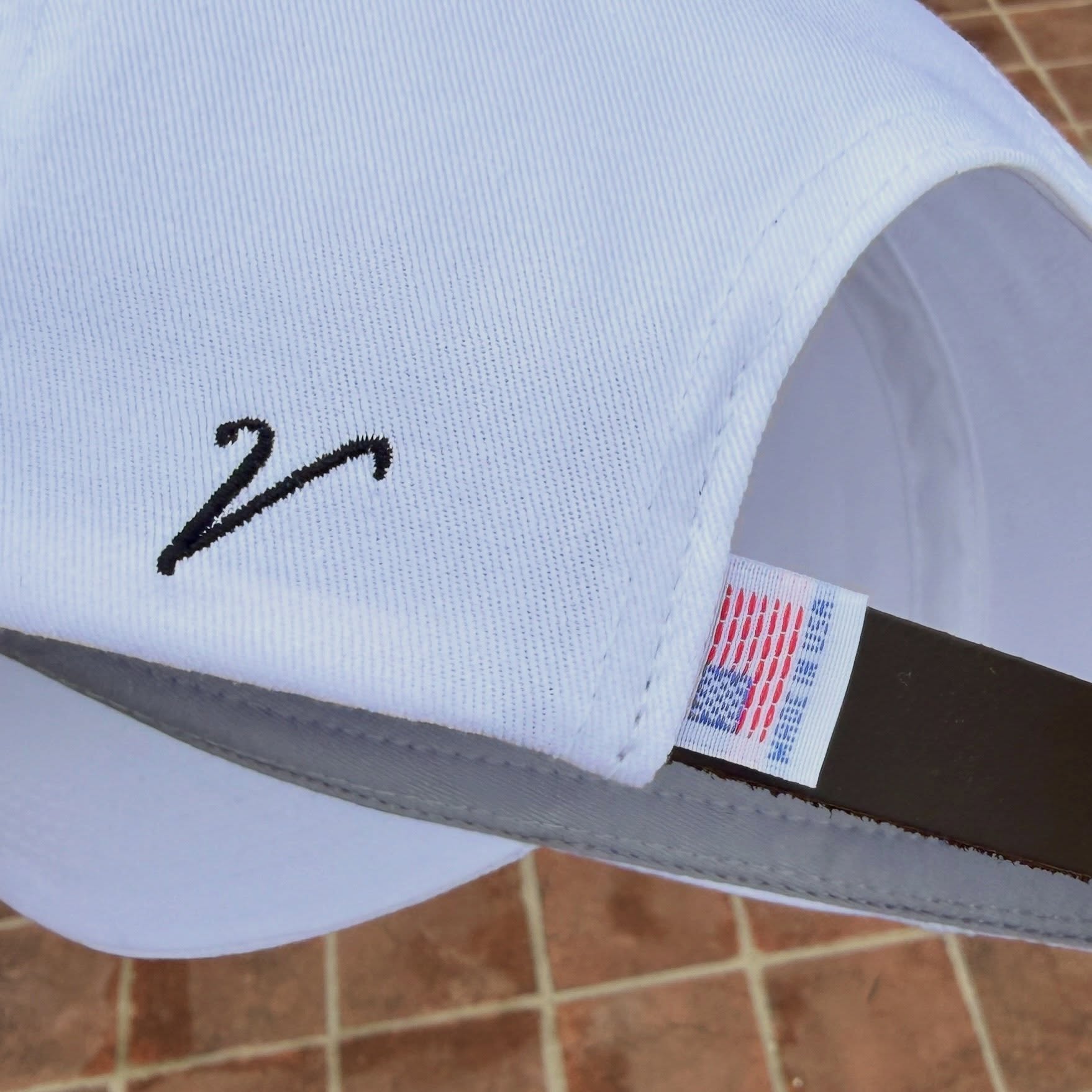
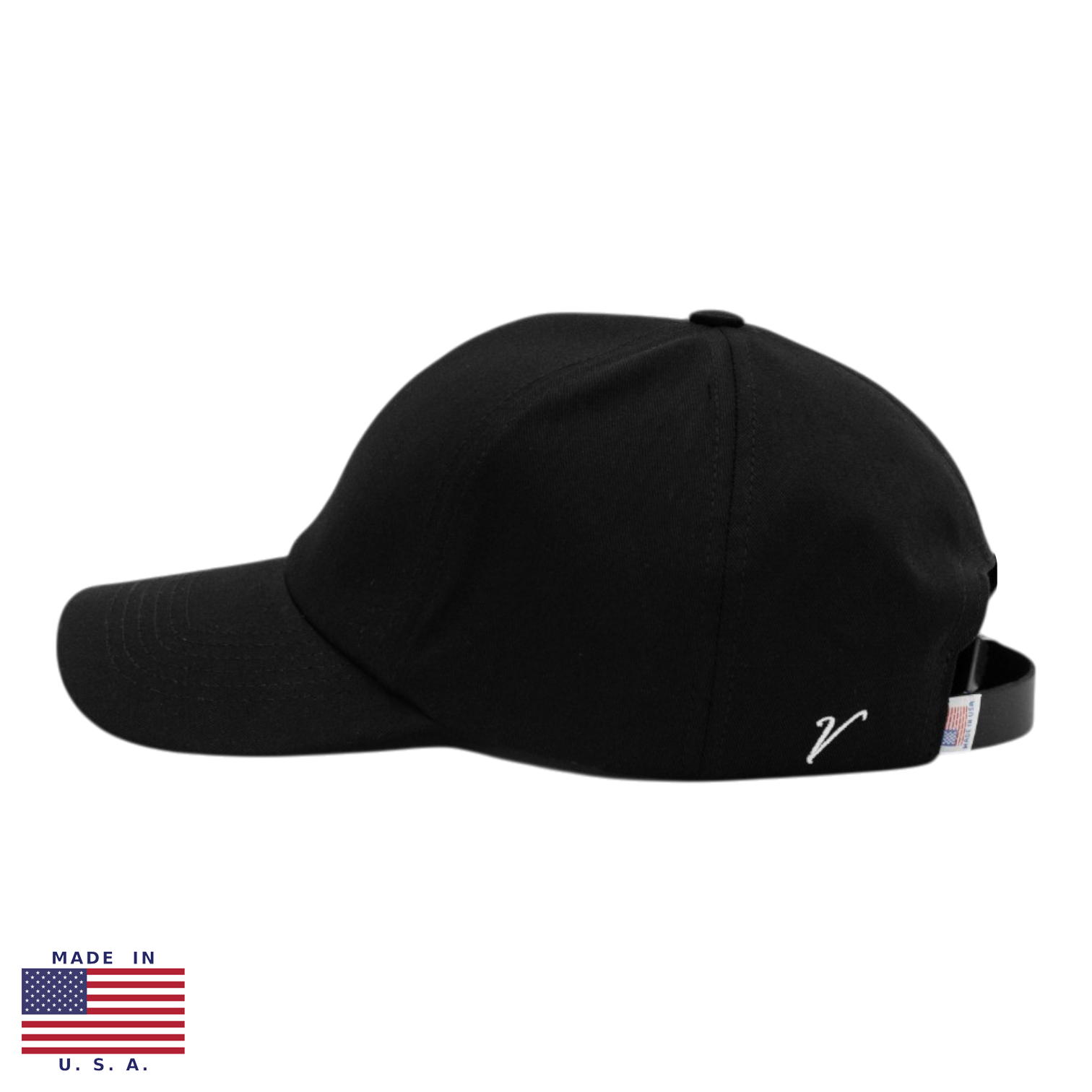
My Made in USA 100% Organic Cotton hats are cut, sewn, and assembled here in the United States, in New York. The cotton fiber itself is a high-end organic cotton, and I will always be straight that the fiber is not necessarily grown on American soil. What is American is the craftsmanship, the people who build the hat and the standard they build it to. Making it here lets me control the exact fabrics I use, the quality of every build, and how quickly it reaches you. It took me eight years to bring production home, and if you want that full story, I wrote it separately in Eight Years in the Making. You can also see the line itself in the cotton collection.
Frequently asked questions
What does made in the USA mean for a hat?
It means the hat is cut, sewn, and assembled in the United States. It does not necessarily mean every raw material was produced here, which is why honest brands are clear about the difference.
Why are made-in-USA baseball hats so hard to find?
Most hat manufacturing moved overseas, and the few remaining American factories usually require very large minimum orders, which puts them out of reach for small and independent brands.
Is the cotton in an American-made hat grown in the USA?
Not necessarily. Cotton is a global crop, and a hat can be genuinely made in America from fiber grown elsewhere. A trustworthy brand will tell you plainly.
How can I tell if a hat is really made in the USA?
Look for specific language (cut, sewn, and assembled in the USA), be cautious of designed in the USA or assembled from imported components, and ask the brand directly about construction and fabric.
Are Vandre hats made in the USA?
The Made in USA 100% Organic Cotton line is cut, sewn, and assembled in New York. Other Vandre styles, like the Irish linen and wool hats, are designed in Chicago and handcrafted overseas to my specification.
Timeless Headwear. Designed with Intention.