A Return to Fabric: Why Vandre Is Going Back to Its Core

Vandre did not start with collections. It started with fabric.
I want to say that clearly up front, because the change I am writing about is not really a new direction at all. It is a return. Over the last year I retired the way Vandre had come to be organized, the Luxury, Everyday, and Activewear collections, and rebuilt the brand around the one thing that was always supposed to be at the center: the fabric. This is the story of how Vandre drifted from that idea, what I learned in the years I spent away from it, and why coming back is the most important decision I have made for this brand.
The people who buy from me tend to care about the why as much as the what, so I am going to tell you the whole thing. And if you have ever stood in front of a wall of baseball hats with no real way to tell the good ones from the throwaways, the second half of this is also a practical guide to choosing a better one.
Vandre began with fabric
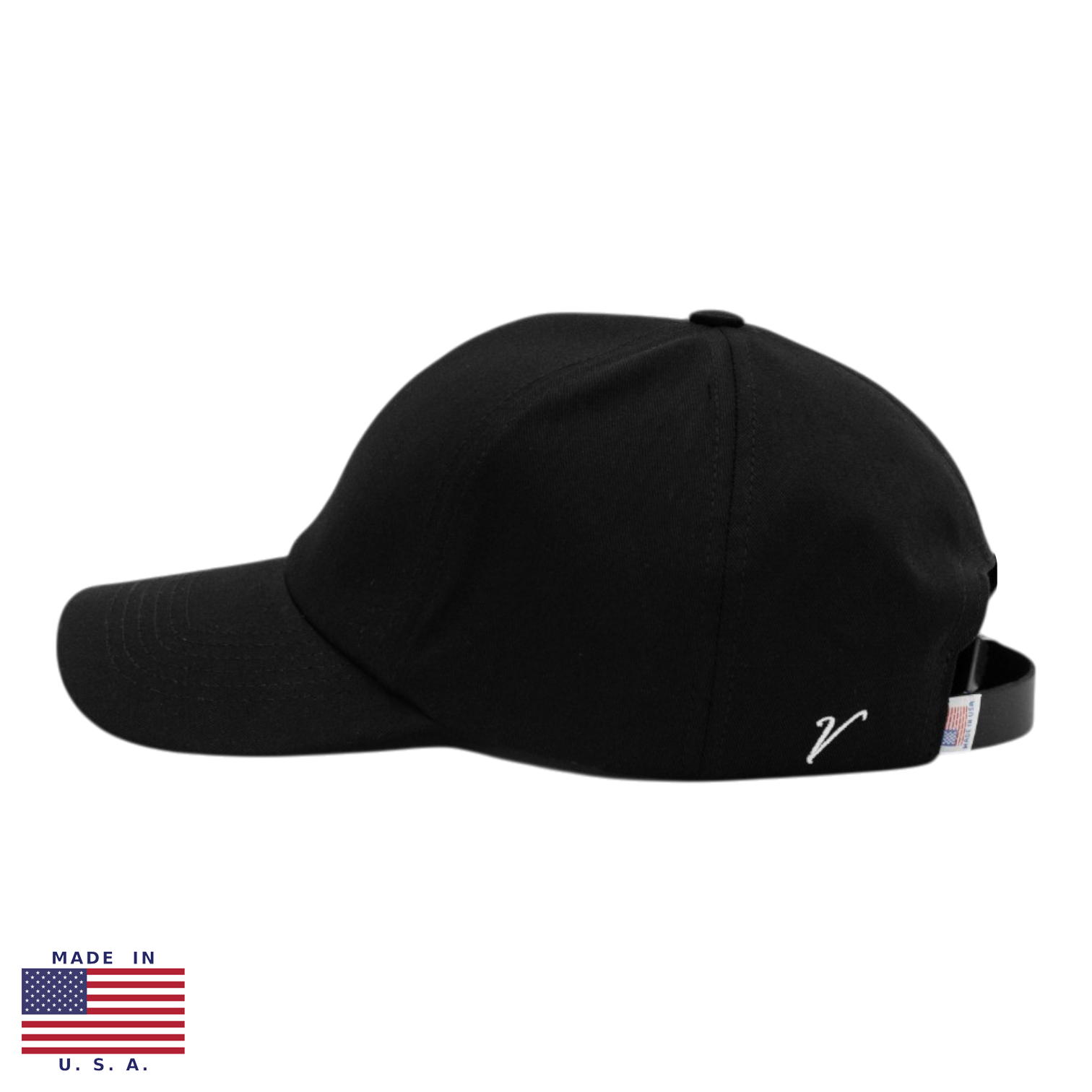
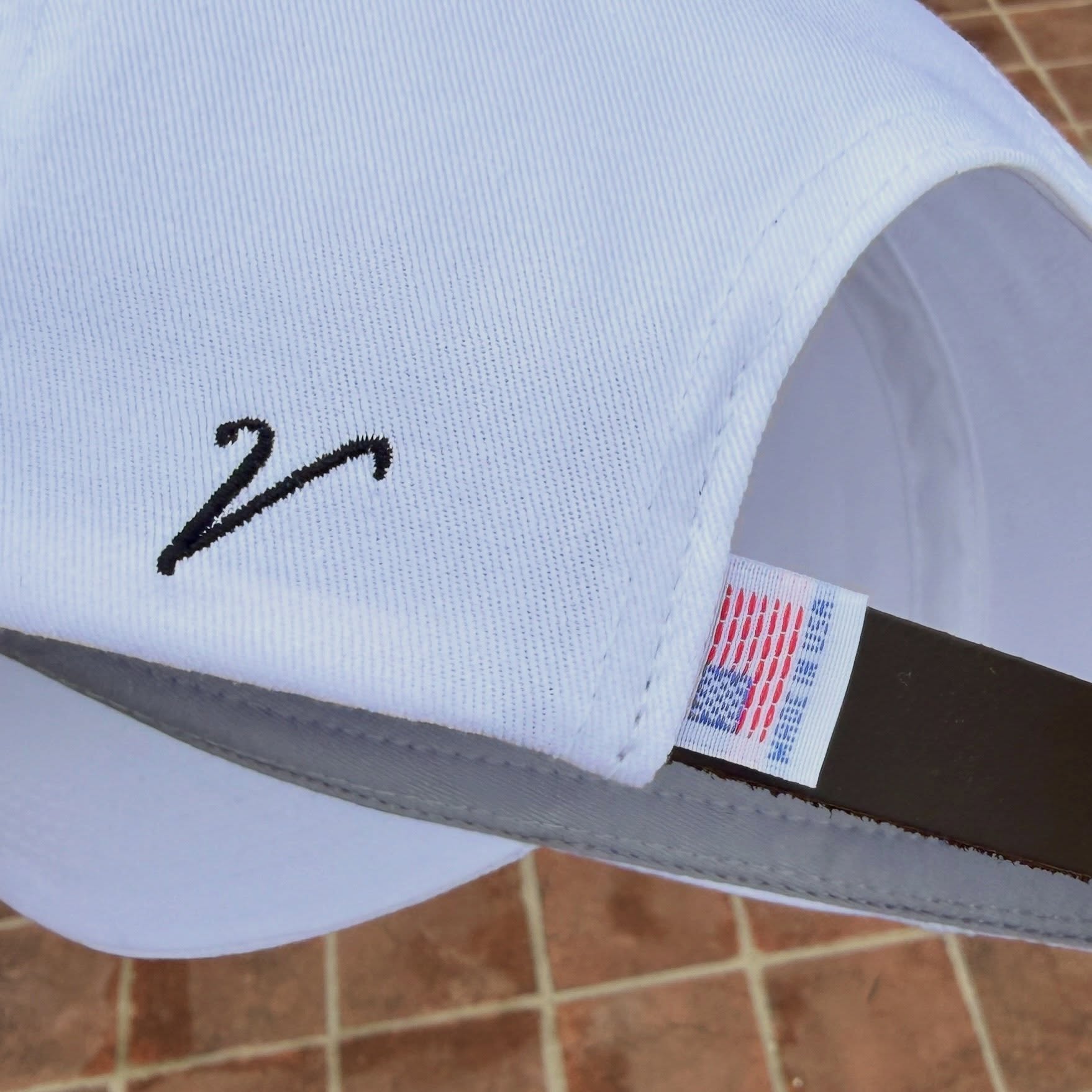
When I launched Vandre in 2020, the entire premise was fabric. The first hats were Irish linen and wool. The idea was simple and a little stubborn: make a baseball cap the way a tailor makes a jacket, starting from a genuinely high-end material and finishing it with the details I loved from fine suiting. A semi-structured front with a soft, refined shape. A 100% leather strap with an antique brass closure. A single embroidered V and nothing louder. One perfected fit, dialed in over a long time until it was right.
That was the whole brand. Not a price point, not a category, a fabric done properly and finished with care. Linen for warm days, wool for the cold. If you had asked me in 2020 what Vandre was, I would have told you it was a fabric-first hat company, and I would have been right.
Then athletic hats took over, and I followed
Over the next few years, the market moved. Athletic and performance hats exploded in popularity, and the demand was impossible to ignore. Customers kept asking for a lighter, sportier option, and I decided that if I was going to make one, I was going to make it to the Vandre standard rather than cede the space entirely.
So I went looking for a partner who could build it, and I found a genuinely excellent factory overseas. We spent real time together dialing in every detail, and I am proud of what we made. The Vandre athletic hat was a lightweight, performance-minded cap that actually lived up to the name, and it earned its place. That same partnership then opened another door. The factory that was making those great athletic hats was also able to help me perfect a 100% cotton everyday hat, so I added that line too. For a while, the lineup grew in a way that felt like momentum.
Where it started to drift
That factory did excellent work, but there were two things it could never quite get right. It could not nail the 100% leather strap and the brass closures the way my linen and wool hats had them, the details that were part of Vandre's signature from day one. And there were sizing issues that I could not fully solve, which is why the athletic and cotton hats eventually moved to two sizes, while the original fabric hats stayed one perfected fit.
So for the cotton line, we kept the plastic and nylon closure from the athletic hat. The athletic and cotton lines grew to six colors each. The catalog got wider every season. From the outside it probably looked like a brand hitting its stride. From the inside, I could feel something slipping. The fabrics that were the entire reason Vandre existed were now sharing the shelf with lines that did not carry the full Vandre standard, and the story was getting harder to tell. To organize it all, I leaned on collection tiers, Luxury for the wool, linen, and cashmere, Everyday for the cotton, Activewear for the performance hats. The labels made the growing catalog easier to sort, but they also quietly buried the point. Vandre had become a brand with a budget door and a premium door, when it was only ever supposed to have one.
It's easy to think I could just produce the cotton hats with the luxury manufacturer, but the reality was more challenging than that given order timing, minimum order quantities and the ability to order during certain cycles. Manufacturing plus supply chain is the challenging part of any business and Vandre is no different.
So I started pulling the lines back. I trimmed colors, I narrowed the catalog, and I asked myself a harder question every season: is this still a fabric company, or has it become a hat company that happens to sell some nice fabrics?
The decision in 2025
In 2025 I made a conscious, deliberate choice to fix it. Two commitments, at the same time.
The first was to reinvent my search for an American manufacturing partner. Not a casual look this time, a real, focused effort to find someone in the United States who could finally build a Vandre hat to my exact specifications. The second was harder. I committed to ending the current overseas cotton line and the athletic hats entirely. Not shrinking them. Ending them. If I was going to come back to the core, I could not keep one foot in the lineup that had pulled me away from it.
That search, and everything it took to bring production home, is a story in itself. I wrote the full version of it separately in Eight Years in the Making, including why a genuinely well-made American baseball hat is so rare and what it actually took to make one. What matters here is what it meant for the brand as a whole. This was not a single product launch bolted onto the side of the catalog. It reshaped the entire foundation that Vandre had evolved into.
Made in the USA, and the first of many
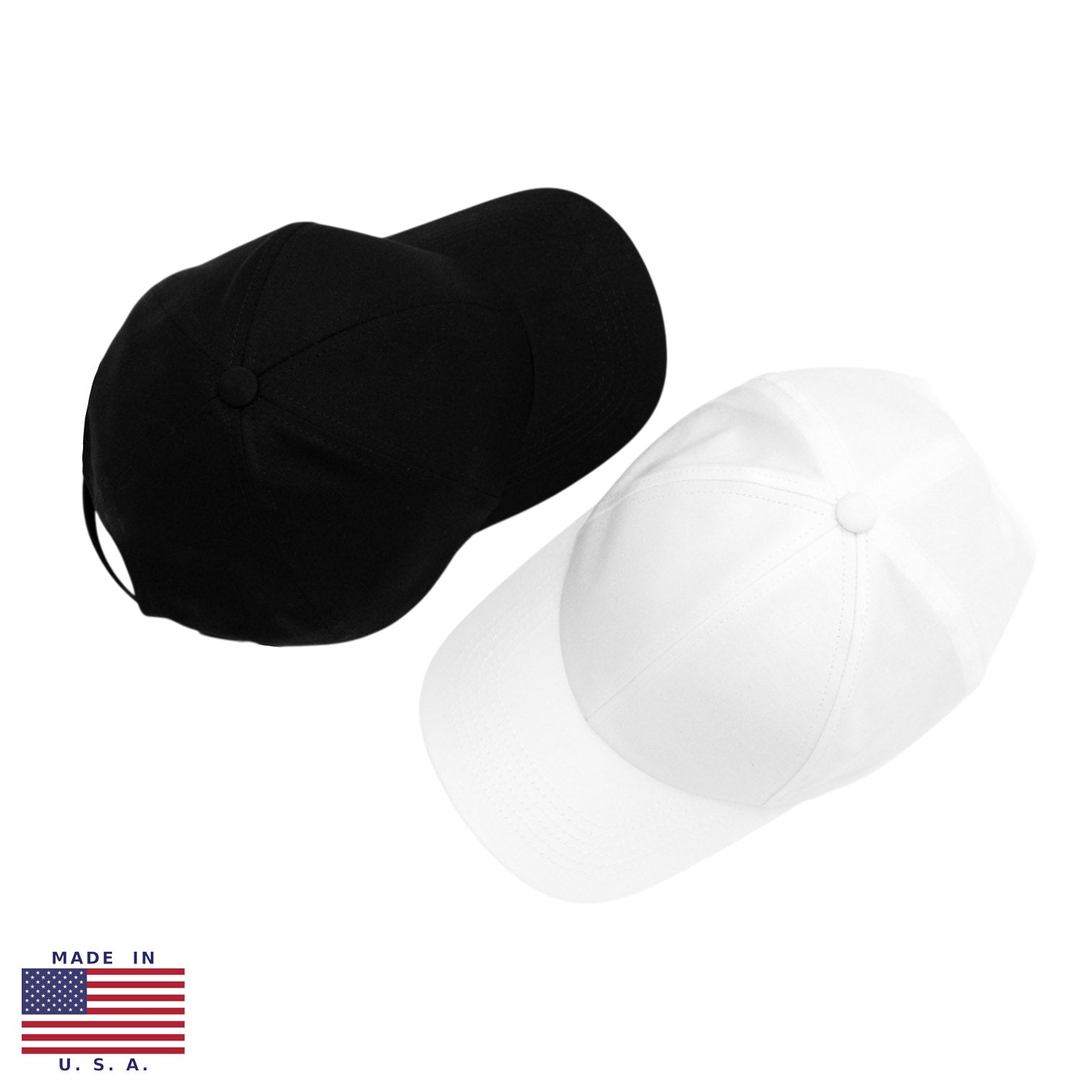
The result is the Made in USA 100% Organic Cotton line, designed in Chicago and handcrafted in New York. It is the first Vandre hat produced in the United States, and it will not be the last. It is the first of many that will be made here.
There is a detail in it that means more to me than it might to anyone else. This new cotton hat finally has the 100% leather strap, the brass press closures, and one perfected fit, the exact signature details the old overseas cotton and athletic hats could never quite achieve. In other words, bringing production home did not just give me a cleaner supply chain. It let me build the everyday cotton hat to the same full standard my linen and wool hats always had. The compromise that quietly bothered me for years is gone.

This is a move back to our core
So when I retired the Luxury, Everyday, and Activewear collections and reorganized Vandre by fabric, I was not chasing a trend or trying on a new identity. I was going home. Fabric was always the center of this brand. The collection tiers were a symptom of the years I spent drifting from it, and the athletic and old cotton lines, good as parts of them were, were never the reason Vandre existed. Ending them and organizing everything by material is simply Vandre being honest about what it is again.
Why fabric is the honest way to organize a hat
Once the tiers were gone, organizing by fabric was obvious, because fabric is the truest thing about a hat. It decides how the hat feels, how it wears, what season it belongs to, and how it ages. It is the first decision I make when I design, so it should be the first decision you make when you shop.
I strive to make one kind of hat, at one standard, in different fabrics for different seasons. Every Vandre hat, whatever the material, gets the same construction, the same tailoring-inspired details, the same leather strap and antique closure, the same single embroidered V, and the same person building and shipping it. Organizing by fabric says that plainly. Here is what this hat is made of, here is when you would reach for it, choose the one that fits.
A short guide to the four fabrics
If you take nothing else from this, take this section. This is how I would help you choose if you walked up to me in person.
Irish Linen
My linen hats are made from 100% Irish linen, woven by a mill that has been at it for more than 220 years. Linen breathes better than almost anything you can put on your head, which makes it the hat for warm days, travel, and summer in general. It starts a little crisp and softens beautifully the more you wear it. If you spend your summers anywhere hot, or you want one hat that looks intentional from a morning coffee to an evening out, start here.
Wool
My wool hats are made from 100% wool flannel that's a substantial wool at over 400 grams. Wool holds its shape, holds a little warmth, and has a depth to it that reads as dressed-up without any effort. It is the cool-weather hat, the one that pairs naturally with a topcoat and knitwear when the air turns. Wool flannel has a quiet richness up close that photographs never quite capture, and it is the fabric people are most surprised to see done well on a baseball cap. This fabric is specifically sourced through our fabric partner Fishman's Fabric in Chicago. It can handle all the elements and will last! It was one of the two fabrics Vandre launched with, and it has been part of the brand from the very first day.
Cashmere
The cashmere pieces are beanies rather than caps, made for real cold. Cashmere is the softest thing I work with, and it is there for the depth of winter, when you want warmth that still feels refined. It is the smallest part of the line and the most indulgent, and it tends to be the one people buy for themselves after they have already bought a cap or two. It is also incredibly breathable meaning you can wear this inside and out without feeling the need to take it off. It's Grade A Mongolian cashmere that is pre-pilled.
Made in USA 100% Organic Cotton
This is my newest line and the one I am proudest of. It is a pure cotton hat, inside and out: a 100% organic cotton 7oz exterior, a 100% Egyptian cotton lining on the two front panels, and a 100% cotton sweatband, with no polyester against your head. It is designed in Chicago and handcrafted in New York, and it carries the full Vandre signature, the leather strap, the brass closures, and one perfected fit. The current edition is a lightweight 7 oz organic cotton built for warmer weather, with a heavier weight coming for the colder months. If you want the full story behind this one, it is in Eight Years in the Making.
Built for the seasons
You may have noticed the thread running through all four: each fabric is chosen with a season in mind. That is not an accident, it is half of how I think about the whole brand. Linen breathes through summer. Wool flannel warms the cold months. Cashmere handles deep winter. And the organic cotton covers the days in between. Hats overlap seasons, so none of this is a rule, but it is a genuinely useful way to shop. You are not just picking a color. You are picking the hat you will actually reach for when the weather is doing what it is doing.
This is also why organizing by fabric never felt limiting to me. It is the opposite. It gives you a reason to own more than one, not because I want to sell you more, but because the linen hat you love in July is not the hat you want in January. Different fabric, different day, same standard.
The confidence to do this now
I could not have made this decision in 2020. When I launched, I did not have the confidence, I did not have the support, and I did not have the proof. I had an idea about fabric and a lot of hope.
What I have now is different. Vandre has sold thousands of hats. There are hundreds of reviews from real customers. And somewhere in those years, the thing I was hoping to build quietly became real: a go-to, high-end hat company in the United States, run by one person. That track record is what gave me the standing to end lines that were working well enough, walk away from an easier catalog, and bet the whole brand on getting back to fabric. In 2020 that would have felt reckless. In 2025 it felt like the only responsible thing to do, because I finally had the proof that the core was strong enough to stand on its own.
Why one person gets to make a call like this
A decision like retiring your entire collection structure and ending two product lines is the kind of thing that dies in a committee at most companies. There would be meetings about cannibalization and brand equity and whether the "Luxury" label still converts. At Vandre there was one meeting, with myself, and I made the call because I believed it was right for the brand and honest to the customer.
Vandre is a team of one. There are no investors and no private equity behind me, which means I do not have to defend a product line to a board or pull money out of the company. I get to reinvest everything into better fabrics and better hats, and I get to make changes like this one the moment I am convinced they are right. That independence is not a limitation. It is the reason a change this clean, and this true to the original idea, was even possible.
What this means for you
In practical terms, the hats you love are still here, built the same way, by the same person. What changes is that the brand finally tells the truth about them again. You shop by the thing that actually matters, the fabric and the season, and you are never quietly nudged toward thinking one line is the "real" Vandre and the rest are lesser. They are all the real Vandre. That was always the point.
This is where the brand stands now, and where it will stay focused going forward. One house, one standard, organized by fabric, with more American-made hats on the way. If you want to see it, you can shop all the hats here, or read how Vandre started.
Frequently asked questions
Did Vandre start with the collections?
No. Vandre launched in 2020 with Irish linen and wool hats. Fabric was the founding idea. The Luxury, Everyday, and Activewear collections came later, as the catalog expanded, and they have now been retired.
What happened to the athletic hats and the old cotton line?
I ended them. In 2026 I made a deliberate decision to stop the overseas athletic and cotton lines and refocus the brand on fabric, while bringing cotton production to the United States.
How should I choose a Vandre hat now?
Start with the season and the feel you want, then pick the fabric. Irish linen for warm days, wool flannel for the cold, cashmere for deep winter, and Made in USA 100% Organic Cotton for the days in between.
Are the different fabrics different quality levels?
No. Every Vandre hat gets the same construction, the same tailoring-inspired details, and the same person building it. The fabrics are peers, chosen for different seasons and feels, not ranked good to best.
Which fabric is best for summer, and which is warmest?
Irish linen is the most breathable, so it is my pick for hot weather, with the lightweight organic cotton close behind. For warmth, wool flannel handles cool weather and cashmere handles deep winter.
Is Vandre still adding new fabrics and styles?
Yes. The Made in USA 100% Organic Cotton line is the first hat produced in the United States, and it is the first of many. A heavier cotton weight is coming for fall and winter. Organizing by fabric makes it easy to add new materials without ever reintroducing tiers.
Timeless Headwear. Designed with Intention.